View Sponsor:
This story does no require sponsorship
...
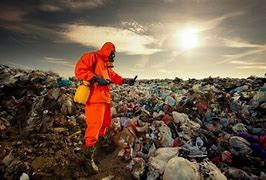
Waste management refers to the collection, transportation, processing, recycling, and disposal of waste materials. It involves the planning, monitoring, and regulation of the generation, collection, separation, recycling, and disposal of waste. Effective waste management is crucial for maintaining a clean and healthy environment, preventing pollution, conserving resources, and promoting sustainable development.
Here are some key aspects of waste management:
Waste Generation: This is the initial stage where waste is created through various human activities, including residential, commercial, industrial, and agricultural processes.
Collection: Waste collection involves gathering and transporting waste from its point of origin to a centralized location, such as a landfill or recycling facility. Efficient collection systems are essential to prevent littering and the spread of diseases.
Segregation: Separating waste into different categories, such as recyclables, organic waste, and non-recyclables, helps optimize the recycling process and reduce the amount of waste sent to landfills.
Recycling: Recycling involves processing materials to create new products. Commonly recycled materials include paper, glass, plastic, and metal. Recycling helps conserve natural resources, reduce energy consumption, and minimize environmental impact.
Treatment and Processing: Some types of waste, such as hazardous or medical waste, may require special treatment before disposal. This can include incineration, composting, or other methods to neutralize harmful components.
Disposal: Waste disposal is the final step in the waste management process. Landfills are commonly used for non-recyclable and non-hazardous waste, while certain types of waste may be incinerated or disposed of through other methods.
Regulation and Monitoring: Governments and regulatory bodies establish guidelines and regulations to manage waste effectively. Monitoring systems are in place to ensure compliance with these regulations and to track waste management practices.
Public Awareness and Education: Educating the public about proper waste disposal, recycling practices, and the importance of reducing waste generation is crucial for the success of waste management programs.
Efforts to improve waste management often focus on the "3Rs" principle: Reduce, Reuse, and Recycle. This encourages minimizing waste generation, finding ways to reuse materials, and recycling whenever possible.
Sustainable waste management practices contribute to environmental protection, resource conservation, and the overall well-being of communities. Additionally, emerging technologies and innovations continue to play a role in improving waste management processes and reducing
You have not uploaded any image

Waste management refers to ... Read More
Waste management refers to ... Read More